Welcome: Nanjing FET International Trading Co., Ltd
Language:
 ∷
∷

∷
 ∷
∷
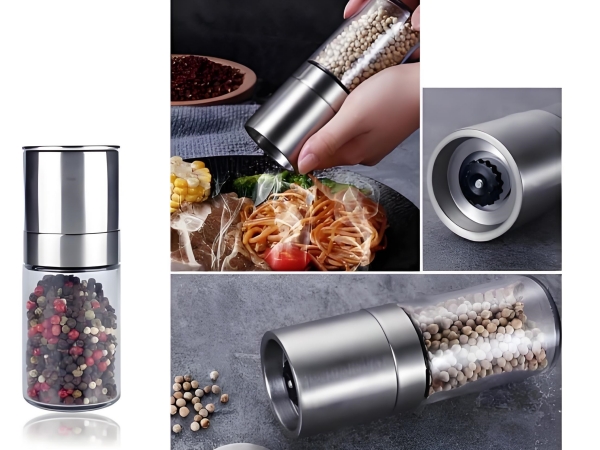
A high-quality stainless steel pepper grinder is a staple in every kitchen, bridging the gap between fresh, bold flavors and long-lasting kitchen utility. Mastering the use of your pepper grinder not only ensures consistent seasoning for every dish but also extends the lifespan of this essential tool. This comprehensive tutorial will guide you through every step—from unboxing to maintenance—so you can make the most of your stainless steel pepper grinder and elevate your culinary creations effortlessly.
Before diving into operation, a thorough unboxing check is critical to ensure your stainless steel pepper grinder is in perfect working condition. Most standard packages include the grinder itself, a user manual, and sometimes a small cleaning brush for future maintenance. Start by inspecting the stainless steel body for any dents, scratches, or manufacturing defects—these can affect both the tool’s durability and its ability to grind evenly. Next, test the grinding mechanism by twisting the top knob gently; it should rotate smoothly without any stuck or loose parts. Finally, confirm that the pepper reservoir is clean and free of any dust or debris, as this can contaminate your first batch of pepper grains. This pre-use step lays the foundation for trouble-free operation of your pepper grinder.
Operating a stainless steel pepper grinder is straightforward, but following the correct steps will ensure optimal performance and flavor. This section breaks down the process into simple, actionable steps that work for most manual stainless steel pepper grinder models on the market.
The first step to using your pepper grinder is loading it with high-quality pepper grains. Avoid pre-ground pepper here—fresh grains are the key to unlocking rich, aromatic flavors. To load, twist the top section of the stainless steel pepper grinder counterclockwise to separate it from the reservoir. Fill the reservoir with whole pepper grains, but do not overfill it—leave a 1-centimeter gap at the top to prevent jamming during grinding. Once filled, twist the top section back on clockwise until it is snug, but do not overtighten, as this can damage the internal grinding mechanism. This step ensures your pepper grinder has a consistent supply of grains for smooth operation.
One of the biggest advantages of a stainless steel pepper grinder is its adjustable fineness setting, which allows you to customize your pepper for different dishes. Locate the adjustment knob at the bottom or top of the grinder—most models use a simple twist mechanism. Turning the knob clockwise will produce a finer grind, perfect for delicate dishes like salads, soups, or scrambled eggs. Turning it counterclockwise will create a coarser grind, ideal for grilling, roasts, or hearty stews. We recommend testing the grind on a plate before seasoning your dish to ensure it matches your desired consistency. This adjustability makes your pepper grinder a versatile tool for all your cooking needs.
Once loaded and adjusted, using your pepper grinder is simple. Hold the stainless steel body firmly in one hand, and position the bottom of the grinder over your dish. With your other hand, twist the top knob clockwise in a steady, even motion. Avoid twisting too quickly or applying excessive force—this can cause the grinder to jam or produce an inconsistent grind. For larger dishes, move the grinder in a circular motion to ensure even seasoning. If you are using the grinder for a small portion, a few gentle twists are enough to release the perfect amount of fresh pepper. With practice, you will be able to master the technique and season every dish with precision.
Regular cleaning and maintenance are essential to keep your stainless steel pepper grinder in top condition and prevent cross-contamination of flavors. Unlike plastic grinders, stainless steel models are more durable, but they still require proper care to maintain their shine and performance.
For the exterior of the stainless steel pepper grinder, simply wipe it down with a damp cloth after each use. Avoid using abrasive cleaners or steel wool, as these can scratch the stainless steel surface and ruin its appearance. For stubborn stains, you can use a small amount of mild dish soap, but be sure to rinse the cloth thoroughly before wiping to prevent soap residue from getting into the grinding mechanism.
For the interior and grinding mechanism, disassembly is required. Twist the top section off and empty any remaining pepper grains. Use the cleaning brush included in the package to brush away any leftover debris from the reservoir and the grinding burrs. Do not submerge the grinder in water or put it in the dishwasher—water can damage the internal metal parts and cause them to rust over time. If the grinding mechanism is particularly dirty, you can use a dry toothbrush to reach the hard-to-clean areas. Once clean, reassemble the grinder and store it in a cool, dry place away from direct sunlight.
Regular maintenance also includes checking the grinding mechanism for wear and tear every few months. If you notice that the grinder is producing an inconsistent grind or is harder to twist than usual, it may be time to replace the grinding burrs. Most manufacturers offer replacement parts for their stainless steel pepper grinders, making it easy to extend the tool’s lifespan.
Even with proper use and maintenance, you may encounter some common issues with your stainless steel pepper grinder. Here are the most frequent problems and how to fix them quickly and easily.
Jamming is the most common issue with pepper grinders, and it is usually caused by overfilling the reservoir or using low-quality pepper grains with stems or debris. To fix a jam, first, twist the top section off and empty any remaining pepper grains from the reservoir. Use the cleaning brush to clear any debris from the grinding mechanism. Next, check the adjustment knob—if it is set to the finest grind, this can also cause jamming. Adjust it to a coarser setting and test the grinder with a small amount of fresh pepper grains. To prevent future jams, always use high-quality pepper grains and avoid overfilling the reservoir.
If your stainless steel pepper grinder is producing an inconsistent grind size, the problem is usually with the adjustment knob or the grinding burrs. First, check the adjustment knob to ensure it is set firmly to your desired fineness—loose knobs can cause the grind size to vary. If the knob is tight, the grinding burrs may be worn or misaligned. Disassemble the grinder and check the burrs for wear and tear. If they are dull or damaged, replace them with new ones. If they are misaligned, you can usually adjust them by tightening the screws that hold them in place (refer to the user manual for specific instructions).
If your pepper grinder is twisted but no pepper grains are coming out, there are two possible causes: the reservoir is empty, or the grinding mechanism is blocked by debris. First, check the reservoir—if it is empty, simply refill it with fresh pepper grains. If it is full, disassemble the grinder and use the cleaning brush to clear any debris from the grinding mechanism and the spout. Once cleared, reassemble the grinder and test it again. This issue is usually easy to fix and can be prevented with regular cleaning.
A stainless steel pepper grinder is more than just a tool—it is a way to unlock the full flavor of your pepper grains. Here are some pro tips to help you get the most out of your grinder and elevate your culinary creations to the next level.
First, always use whole, high-quality pepper grains. Pre-ground pepper loses its flavor and aroma within a few weeks, but fresh pepper grains can last for months when stored properly. Look for organic pepper grains with no stems or debris—these will grind more smoothly and produce a richer flavor.
Second, grind your pepper fresh just before use. This is the most important tip for maximizing flavor—freshly ground pepper has a bright, aromatic flavor that pre-ground pepper simply cannot match. Whether you are seasoning a steak, a salad, or a bowl of soup, take a few extra seconds to grind your pepper fresh, and you will notice a huge difference in the taste of your dish.
Third, match the grind size to the dish. As we mentioned earlier, a finer grind is perfect for delicate dishes, while a coarser grind is ideal for hearty dishes. For example, a fine grind of pepper is great for seasoning scrambled eggs or a light vinaigrette, while a coarse grind is perfect for rubbing on a steak before grilling or sprinkling on top of a bowl of chili. Matching the grind size to the dish will ensure that the pepper flavor is balanced and does not overpower the other ingredients.
Finally, store your stainless steel pepper grinder properly. Store it in a cool, dry place away from direct sunlight and heat sources (like the stovetop). Heat and sunlight can cause the pepper grains to lose their flavor and aroma, and they can also damage the internal parts of the grinder. If you are not going to use the grinder for an extended period, empty the reservoir of any remaining pepper grains to prevent them from going stale.
A stainless steel pepper grinder is a valuable addition to any kitchen, and mastering its use is the key to unlocking fresh, bold flavors in your dishes. This tutorial has guided you through every step—from unboxing and operation to cleaning and maintenance—and provided you with pro tips to maximize the flavor of your grinder. By following these simple steps, you can ensure that your stainless steel pepper grinder works perfectly for years to come and that every dish you cook is seasoned to perfection. Whether you are a home cook or a professional chef, a well-used pepper grinder is an essential tool that will elevate your culinary creations to the next level.
As a manufacturer and wholesaler of stainless steel pepper grinders, we welcome your inquiries!
Contact: Silvia Chan
Phone: +86 15105193797
Tel: +86 17302548247
Email: sales@fet-grinder.com
Add: Xinghuo Road 19,Pukou District, Nanjing City , Jiangsu Province ,China
 Grinder Consultant