Welcome: Nanjing FET International Trading Co., Ltd
Language:
 ∷
∷

∷
 ∷
∷
In the realm of kitchen essentials, the manual salt and pepper grinder stands out as a must-have tool for elevating the flavor of every meal. Whether you are a home cook crafting daily dishes or a professional chef designing gourmet menus, choosing the right material for your manual salt and pepper grinder can make a noticeable difference in both functionality and aesthetics. Among the most popular options on the market, wooden and stainless steel variants often spark debates among cooking enthusiasts. So, which one truly suits your needs better? Let’s dive into a comprehensive comparison of these two materials.
The core difference between wooden and stainless steel manual salt and pepper grinders lies in their material properties, which directly influence their performance and longevity.
Wooden manual salt and pepper grinders are typically crafted from hardwoods like oak, beech, or acacia. These natural materials bring a warm, rustic charm to any kitchen counter or dining table. The inherent texture of wood adds a touch of elegance, making them a favorite for those who prefer a traditional or farmhouse-style decor. Additionally, wood has excellent heat insulation properties, meaning it won’t get too cold to hold when placed in a chilly kitchen or too hot if left near a stove. However, wood is a porous material, which means it can absorb moisture if not properly cared for, potentially leading to warping or cracking over time.
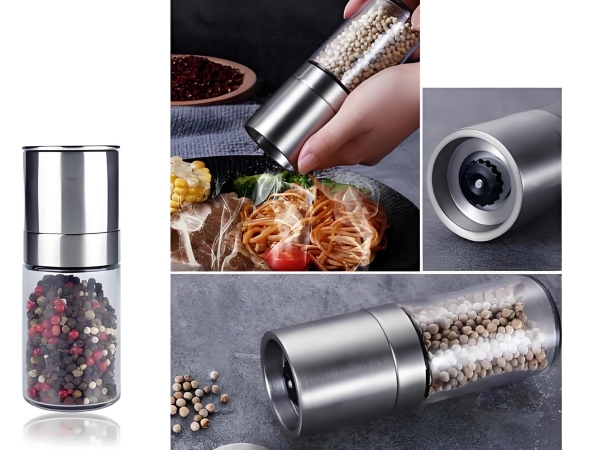
On the other hand, stainless steel manual salt and pepper grinders boast a sleek, modern look that fits seamlessly into contemporary or minimalist kitchen designs. Stainless steel is a non-porous, corrosion-resistant material, making it highly durable and suitable for various environments. Unlike wood, it does not absorb moisture, odors, or flavors, ensuring that your salt and pepper remain pure and untainted. Moreover, stainless steel is sturdy enough to withstand accidental drops and rough handling, a major advantage for busy kitchens or outdoor use. The only minor downside is that stainless steel can conduct heat, so it might feel cold to the touch in winter or warm if left in direct sunlight.
When it comes to daily use, the manual salt and pepper grinder’s material plays a key role in how comfortable and convenient it is to operate.
Wooden manual salt and pepper grinders usually have a smooth, polished surface that feels comfortable in the hand. The natural grip of wood reduces the chance of slipping, even if your hands are slightly damp from cooking. Most wooden grinders feature a classic crank design or a top twist mechanism that requires minimal effort to grind spices. The grinding process tends to be quiet, which is ideal for intimate family dinners or situations where you don’t want to create unnecessary noise. However, because wood is softer than metal, the grinding burrs (usually made of ceramic or stainless steel) may need occasional tightening to maintain consistent grind size.
Stainless steel manual salt and pepper grinders, with their solid construction, offer a stable and smooth grinding experience. The metal body provides a firm grip, and the weight of the grinder helps to apply consistent pressure during operation, resulting in evenly ground salt and pepper every time. Many stainless steel models come with adjustable grind settings, ranging from fine for seasoning soups to coarse for sprinkling on grilled meats. The metal exterior is also easy to wipe clean with a damp cloth, so you don’t have to worry about spice residue building up over time. The only thing to note is that stainless steel grinders can be a bit heavier than wooden ones, so they might not be the best choice for those who prefer lightweight kitchen tools.
Proper maintenance is essential to extend the lifespan of your manual salt and pepper grinder, and different materials require different care routines.
For wooden manual salt and pepper grinders, the key is to keep them dry. After cleaning, you should wipe the surface with a dry cloth immediately and avoid soaking them in water or putting them in the dishwasher. To prevent the wood from drying out and cracking, you can apply a small amount of food-grade mineral oil to the surface every few months. With proper care, a high-quality wooden grinder can last for years, retaining its natural beauty and functionality. However, if exposed to moisture frequently, wooden grinders may warp, swell, or develop mold, which can affect their performance and hygiene.
Stainless steel manual salt and pepper grinders are almost maintenance-free, making them a great choice for those who want a hassle-free kitchen tool. They are dishwasher safe (always check the manufacturer’s instructions first) or can be easily washed with soap and water. The corrosion-resistant property of stainless steel means it won’t rust or tarnish, even with regular use. The grinding mechanisms in stainless steel grinders are also highly durable, as they are less likely to wear down compared to those in wooden grinders. With minimal care, a stainless steel manual salt and pepper grinder can last for decades, making it a cost-effective investment in the long run.
Choosing between wooden and stainless steel manual salt and pepper grinders also depends on where and how you plan to use them.
Wooden manual salt and pepper grinders are perfect for indoor dining settings, such as family dinner tables, formal dinner parties, or cafes with a cozy, rustic ambiance. Their natural aesthetic complements ceramic plates, wooden tableware, and warm lighting, adding a touch of sophistication to the dining experience. They are also a great gift option for cooking lovers who appreciate handcrafted, eco-friendly kitchen tools. However, wooden grinders are not ideal for outdoor use, as rain, humidity, or extreme temperatures can damage the material quickly.
Stainless steel manual salt and pepper grinders are versatile enough for both indoor and outdoor use. They are a staple for outdoor activities like barbecues, picnics, and camping trips, as they can withstand exposure to wind, rain, and sunlight. In commercial settings like restaurants or food stalls, stainless steel grinders are preferred for their durability and easy cleaning, which aligns with strict hygiene standards. They also work well in modern kitchens where sleek, functional tools are the priority.
In the end, the choice between wooden and stainless steel manual salt and pepper grinders boils down to personal preference, usage needs, and kitchen decor style. If you value natural aesthetics, a warm dining atmosphere, and don’t mind a bit of maintenance, a wooden manual salt and pepper grinder is the perfect pick. If you prioritize durability, convenience, and versatility for both indoor and outdoor use, a stainless steel manual salt and pepper grinder will be a more practical choice. Whichever material you select, a high-quality manual salt and pepper grinder is sure to enhance the flavor of your meals and become a beloved part of your kitchen arsenal.
As a manufacturer and wholesaler of salt and pepper grinders, we welcome your inquiries!
Contact: Silvia Chan
Phone: +86 15105193797
Tel: +86 17302548247
Email: sales@fet-grinder.com
Add: Xinghuo Road 19,Pukou District, Nanjing City , Jiangsu Province ,China
 Grinder Consultant