Welcome: Nanjing FET International Trading Co., Ltd
Language:
 ∷
∷

∷
 ∷
∷
For any home cook or culinary enthusiast, a reliable pepper grinder is more than just a kitchen accessory—it’s the key to unlocking the full, bold flavor of fresh-ground pepper that pre-ground alternatives simply can’t match. Among the various types of pepper grinders available, metal pepper grinders stand out for their durability, performance, and long-lasting appeal. But have you ever stopped to wonder: What metal is a metal pepper grinder actually made of? In this guide, we’ll dive deep into the primary metals used in metal pepper grinders, why they’re chosen over other materials, and how to pick the right one for your kitchen.
Common Metals Used in Metal Pepper Grinders
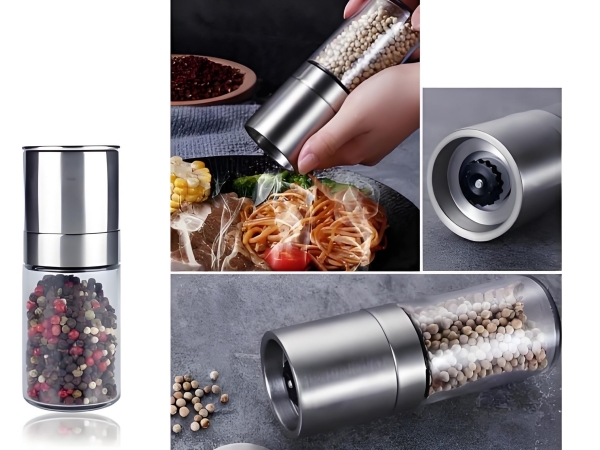
When it comes to metal pepper grinders, not all metals are created equal. Manufacturers prioritize materials that can withstand the abrasive nature of peppercorns, resist corrosion from pepper oils and moisture, and deliver consistent grinding results. Here are the most prevalent metals you’ll find in quality pepper grinders: Stainless Steel – The Go-To Choice for Most Metal Pepper Grinders By far, stainless steel is the dominant metal in the construction of metal pepper grinders—both for the grinder’s body and its internal grinding mechanism. Specifically, food-grade stainless steel variants like 304 or 316 are the industry standards for safe and durable kitchen tools. Brands like Peugeot, a leader in premium kitchen tools, frequently use stainless steel in their iconic pepper mills, from the sleek external body to the robust internal components. Why is stainless steel so popular? First, it’s highly corrosion-resistant. Peppercorns contain natural oils and can absorb minor moisture from the air, which would cause rust in regular steel—but stainless steel’s chromium content creates a protective layer that prevents rusting. Second, it’s incredibly durable. A stainless steel pepper grinder can withstand years of frequent use without cracking, warping, or showing signs of wear. It’s also easy to clean—just a quick wipe with a damp cloth removes any pepper residue, and it doesn’t absorb odors like plastic or wood might. High-Carbon Steel – The Premium Option for Grinding Mechanisms While stainless steel is common for both bodies and mechanisms, high-carbon steel is often the material of choice for high-end, professional-grade pepper grinder burrs. Unlike stainless steel, high-carbon steel has a higher carbon content, which makes it significantly sharper and more wear-resistant—ideal for grinding hard peppercorns into consistent, even particles. Professional chefs often prefer high-carbon steel burrs because they maintain their sharpness longer, even with heavy daily use in busy commercial kitchens. However, high-carbon steel does have one drawback: it’s more prone to corrosion than stainless steel. To solve this, manufacturers typically coat high-carbon steel burrs with a food-safe anti-corrosion layer, ensuring they remain rust-free while retaining their superior grinding performance. You’ll find this material in top-tier models designed for serious home cooks and culinary professionals. Other Rare Metal Alloys While stainless steel and high-carbon steel are the main players, a few less common metals occasionally make an appearance in specialized pepper grinders. Aluminum, for example, is sometimes used for grinder bodies because it’s lightweight and affordable. However, it’s less durable than stainless steel and can be prone to scratching over time. Brass is another occasional choice for vintage-style pepper grinders, valued for its classic, decorative look. But brass requires regular polishing to maintain its shine and can react with pepper oils if not properly coated, making it a less practical option for everyday use.
Why Metal Reigns Supreme for Pepper Grinders
You might be wondering: With so many materials available (plastic, wood, ceramic), why choose a metal pepper grinder? The answer lies in the unique benefits that metal—especially stainless steel and high-carbon steel—brings to the table, directly enhancing the performance and lifespan of your pepper grinder. Durability is the top advantage. Plastic pepper grinders often crack or break after months of use, especially if dropped or exposed to heat. Wood grinders can warp, absorb moisture, or develop mold if not carefully maintained. Metal grinders, on the other hand, stand up to daily wear and tear, accidental drops, and kitchen humidity without compromising their structure. This longevity makes them a cost-effective investment in the long run. Grinding precision is another key benefit. Metal burrs—whether stainless steel or high-carbon steel—are machined to tight tolerances, ensuring they crush peppercorns evenly rather than tearing them. This consistent grind releases more of the pepper’s essential oils, resulting in a richer, more aromatic flavor. Ceramic burrs, while corrosion-resistant, are more brittle and can chip if used with hard peppercorns or dropped, leading to uneven grinding. Hygiene and maintenance are also major pluses. Metal is non-porous, meaning it doesn’t absorb pepper oils, food residues, or odors. A quick wipe with a damp cloth is all it takes to keep your metal pepper grinder clean—no need for complicated cleaning routines or harsh chemicals. This makes it a more sanitary choice for busy kitchens. Finally, aesthetics can’t be ignored. Stainless steel pepper grinders have a sleek, modern look that complements any kitchen decor, from contemporary minimalist to traditional. They also retain their appearance over time, without fading or discoloring like plastic or wood. Metal vs. Non-Metal Pepper Grinders: A Quick Comparison To fully understand why metal pepper grinders are a top choice, it’s helpful to compare them to the most common non-metal alternatives: Metal vs. Ceramic Pepper Grinders Ceramic grinders are often marketed as corrosion-resistant, which is true—they won’t rust, even if exposed to moisture. However, ceramic burrs are much more brittle than metal ones. A single drop can chip the burrs, ruining the grinder’s performance. Metal grinders, by contrast, are far more impact-resistant. Ceramic is a good choice for casual use with salt (which is more corrosive), but metal is superior for pepper, especially for frequent or heavy use. Metal vs. Plastic or Wood Pepper Grinders Plastic pepper grinders are cheap and lightweight, but they’re also the least durable. They scratch easily, absorb odors, and can crack under pressure. Wood grinders have a classic, rustic charm, but they require regular oiling to prevent warping and moisture damage. They also tend to absorb pepper oils over time, which can affect the flavor of future grinds. Metal grinders eliminate these issues—they’re low-maintenance, odor-resistant, and built to last.
How to Choose the Right Metal Pepper Grinder
Now that you know what metals metal pepper grinders are made of, how do you pick the best one for your needs? Here are the key factors to consider: 1. Metal Type: For everyday home use, a stainless steel pepper grinder is your best bet. It’s durable, corrosion-resistant, and low-maintenance. If you’re a professional chef or serious home cook who grinds pepper frequently, look for a model with high-carbon steel burrs (with a corrosion-resistant coating) for superior sharpness and consistency. 2. Grinding Mechanism: Always choose a burr grinder over a blade grinder. Burr grinders (whether metal or ceramic) crush peppercorns evenly, while blade grinders tear them, leading to inconsistent grinds and lost flavor. Metal burrs are more durable than ceramic ones, so prioritize them if possible. 3. Coarseness Adjustability: Look for a metal pepper grinder with adjustable coarseness settings. This allows you to grind pepper fine for sauces, medium for salads, or coarse for steaks—versatility that’s essential for any kitchen. 4. Build Quality: Inspect the grinder’s construction. A high-quality metal pepper grinder should feel sturdy in your hand, with no loose parts or flimsy hinges. Avoid models with plastic components (like lids or adjustment knobs) that can break easily—opt for all-metal or mostly metal designs.
Tips for Maintaining Your Metal Pepper Grinder
To keep your metal pepper grinder performing at its best for years, follow these simple maintenance tips: Clean carefully: Wipe the external body with a warm, damp cloth. For the grinding mechanism, use a dry brush or pipe cleaner to remove any pepper residue—never submerge the grinder in water, as this can cause rust (even in stainless steel). Avoid moisture: Keep your metal pepper grinder away from sinks, stovetops, or other humid areas. Never grind salt in a metal pepper grinder—salt is highly corrosive and can damage the metal mechanism. Refill properly: Don’t overfill the grinder—this can cause jams. Empty out old, unused peppercorns every few months to keep the grinder fresh and prevent clogs. Top-Rated Metal Pepper Grinders to Consider If you’re ready to invest in a quality metal pepper grinder, here are a few top-rated options that showcase the best of stainless steel and high-carbon steel construction: Peugeot Paris Chef u'Select Pepper Mill: A classic choice with a stainless steel body and high-carbon steel burrs (coated for corrosion resistance). It offers 6 coarseness settings and is built to last a lifetime. Zassenhaus Speyer Pepper Mill: Features a beech wood body with metal accents and a stainless steel grinding mechanism. It’s a stylish blend of tradition and durability, perfect for home kitchens. SCHWUA Rechargeable Electric Pepper Grinder: A modern option with a food-grade stainless steel body and metal burrs. It’s battery-powered for convenience and offers adjustable coarseness.
Conclusion
So, what metal is a metal pepper grinder made of? The answer is clear: stainless steel is the most common and practical choice for both bodies and grinding mechanisms, while high-carbon steel is reserved for premium, professional-grade burrs. Both metals offer unbeatable durability, grinding precision, and hygiene—making metal pepper grinders the top choice for anyone who values fresh, flavorful pepper in their cooking. When shopping for a pepper grinder, prioritize stainless steel construction for everyday use, or splurge on high-carbon steel burrs if you’re a serious cook. With proper maintenance, a quality metal pepper grinder will be a reliable addition to your kitchen for years to come.
Contact: Silvia Chan
Phone: +86 15105193797
Tel: +86 17302548247
Email: sales@fet-grinder.com
Add: Xinghuo Road 19,Pukou District, Nanjing City , Jiangsu Province ,China
 Grinder Consultant