Welcome: Nanjing FET International Trading Co., Ltd
Language:
 ∷
∷

∷
 ∷
∷
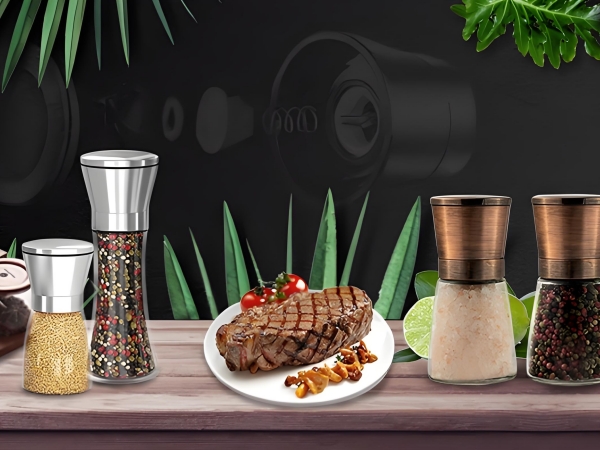
Pepper mills and salt mills are indispensable tools in every kitchen, elevating dishes with freshly ground spices that burst with flavor and aroma—far beyond what pre-ground alternatives can offer. But even the highest-quality pepper mill or salt mill won’t live up to its potential without proper storage. The way you store your pepper mill salt mill directly impacts the freshness of your spices, the longevity of the grinding mechanism, and the overall performance of the tools. Whether you’re a home cook or a culinary enthusiast, understanding the right storage practices is key to keeping your pepper mill and salt mill in top shape for years. In this guide, we’ll break down everything you need to know about where to store pepper mill salt mill, from optimal locations to material-specific tips and common mistakes to avoid.
Many people overlook the importance of storing their pepper mill and salt mill correctly, but doing so offers three critical benefits that enhance both your cooking and your tools’ lifespan. First, proper storage preserves the quality of your peppercorns and salt. Peppercorns lose their volatile oils and flavor when exposed to moisture, light, or air, while salt—especially sea salt—can clump or corrode metal components if not stored properly. Second, it protects the grinding mechanism: the heart of any pepper mill or salt mill. Ceramic and stainless steel burrs (the most common grinding components) can rust, jam, or wear out prematurely if exposed to humidity or heat, while wooden mill bodies may warp or crack. Finally, intentional storage extends the overall lifespan of your pepper mill salt mill, saving you money and ensuring you always have access to freshly ground spices when you need them. For anyone who values flavorful, well-seasoned meals, investing time in proper storage for your pepper mill is just as important as choosing a high-quality tool.
When it comes to storing your pepper mill salt mill, dry, dark cabinets or pantries are the gold standard. These spaces check all the boxes for preserving both spices and tools: they’re shielded from direct sunlight (which degrades peppercorn oils and fades wooden mills), away from moisture sources like sinks or stoves, and limit air exposure to keep spices fresh longer. For added protection, especially if your kitchen tends to be humid, store your pepper mill or salt mill in an airtight container within the cabinet—this extra layer prevents any lingering moisture from reaching the grinding mechanism. Make sure the cabinet is easily accessible (you don’t want to hide your pepper mill so well you forget to use it!), but avoid placing it near the cabinet door if it’s prone to drafts or temperature fluctuations. This location is ideal for both daily use and long-term storage, as it balances convenience with preservation.
If you use your pepper mill salt mill multiple times a day, countertop storage is a practical option—after all, easy access encourages fresh grinding. Countertop placement also lets your mill double as a decorative kitchen accent, adding style to your cooking space. However, this convenience comes with risks that require careful management. To keep your pepper mill and salt mill safe on the counter, choose a spot away from stoves, sinks, or dishwashers—areas where steam, splashes, or heat are common. Avoid direct sunlight (place it in a shaded corner or behind other kitchen tools) to prevent spice degradation and wood fading. Wipe down the mill regularly with a dry cloth to remove dust, spills, or moisture that may accumulate. While countertop storage is great for frequent use, it’s important to be vigilant about moisture and light to avoid damaging your pepper mill or salt mill over time.
Some spots in your kitchen are absolute no-gos for storing pepper mill salt mill, as they pose serious risks to both the tools and your spices. First, avoid the refrigerator: while it may seem like a way to keep spices fresh, the cold, humid environment causes condensation inside the mill, leading to rusted grinding mechanisms (especially problematic for salt mills, as salt accelerates corrosion) and clumped peppercorns. Second, steer clear of areas near sinks, stoves, or dishwashers—steam and heat from these appliances create a moist environment that damages burrs and warps wooden bodies. Third, never store your pepper mill or salt mill in direct sunlight: UV rays break down the essential oils in peppercorns, leaving them tasteless, and can fade or dry out wooden mills, causing cracks. Finally, avoid cluttered drawers where the mill may be jostled, leading to misaligned grinding mechanisms or broken parts.
Before stowing your pepper mill salt mill away—whether for a few hours or long-term—simple prep steps can prevent damage and keep spices fresh. Start with thorough cleaning: use a dry pastry brush or soft cloth to wipe away any pepper dust, salt residue, or debris from the grinding mechanism and exterior. For a deeper clean, grind a small handful of uncooked rice through the mill—this absorbs excess oils and dislodges stuck particles (discard the ground rice afterward). Never use water, soap, or liquid cleaners, as they can corrode metal components, warp wood, or leave a residue that affects spice flavor. Next, ensure the mill is completely dry: even a tiny amount of moisture can lead to rust or clumping, so let it air out for 10-15 minutes after cleaning if you used a damp cloth (only for removable lids or storage compartments—never the grinding mechanism). Finally, refill wisely: use fresh, dry whole peppercorns (replace them every 4-6 months for peak flavor) and coarse, dry salt (avoid wet sea salt unless your salt mill is specifically designed for it). Don’t overfill the mill—leaving a little space prevents jamming and reduces pressure on the grinding mechanism.
Pepper mills and salt mills come in a variety of materials, each with unique storage needs. Tailoring your approach to the material ensures your tool stays functional and attractive.
Wooden mills add warmth to any kitchen, but they’re prone to warping, cracking, or fading if not stored properly. Always keep wooden pepper mill salt mill in a dry area—moisture is the biggest enemy, as it seeps into the wood and causes damage over time. To prevent drying and cracking, apply a thin layer of food-grade mineral oil to the exterior every 3-6 months (follow the manufacturer’s instructions, as some woods may require specific care). Avoid direct sunlight, as it fades the wood’s color and dries out the grain. If storing on the counter, place a small coaster under the mill to protect it from spills or moisture on the surface. Never soak wooden mills or use harsh chemicals—stick to dry cleaning only.
Ceramic and stainless steel mills are durable and easy to maintain, but they still require careful storage. For stainless steel mills, prioritize dry locations to prevent rust (even stainless steel can corrode if exposed to prolonged moisture, especially salt mills). Ceramic burrs are resistant to corrosion but can clog if salt or pepper clumps, so ensure the mill is completely dry before storage. Salt mills with ceramic or stainless steel mechanisms should be dedicated solely to salt—never use them for pepper or other spices, as salt residue can damage the burrs over time. If storing in a cabinet, keep these mills away from other metal tools that may scratch the surface, and avoid dropping them (ceramic burrs can chip if impacted).
Even with the best intentions, small mistakes can compromise your pepper mill salt mill. Here are three common errors to steer clear of:
First, storing the grinder facing the wrong direction. While some manufacturers recommend upside-down storage to keep peppercorns in the mechanism, others warn it increases pressure on burrs. The solution? Test both orientations with your specific mill—if grinding feels smooth when stored upside down, stick with it; if not, store grinder-side up to let excess peppercorns fall back into the storage chamber and prevent jamming.
Second, using one mill for multiple spices. While it may seem convenient to grind pepper, coriander, and salt in the same tool, this causes flavor transfer (your pepper will taste like salt, and vice versa) and clogs the mechanism. Invest in separate mills for pepper and salt, and use dedicated tools for other spices if needed.
Third, ignoring moisture. Even a small spill on the counter or a humid day can damage your mill. Get in the habit of wiping down your pepper mill salt mill after use, and check the storage location regularly for signs of moisture (like condensation in the cabinet). If you notice clumping or rust, address it immediately—clean the mill thoroughly and move it to a drier spot.
Proper storage works best when paired with regular maintenance—together, they keep your pepper mill salt mill performing like new. Schedule regular dry cleanings (once a month for frequent use, once every 3 months for occasional use) to remove buildup. Check the grinding mechanism periodically for wear: if grinding becomes labored or inconsistent, replace worn burrs or parts (many manufacturers offer replacements). Adjust the grind setting as needed—start with a coarser setting for new peppercorns and fine-tune over time to reduce strain on the mechanism. For salt mills, empty and clean the storage chamber every few weeks to remove any salt residue that may cause clogging. Finally, keep extra peppercorns and salt in airtight containers in a cool, dark place—this ensures you always have fresh spices on hand to refill your mill.
Q1: Can I store pepper mill and salt mill together?Yes! Storing them together is safe as long as both are dry and stored in a suitable location (like a cabinet or countertop spot away from moisture). Just make sure they’re not touching wet surfaces and are cleaned regularly to prevent cross-contamination of spices.
Q2: Is countertop storage safe for a wooden pepper mill?Yes, but with precautions. Keep the wooden pepper mill in a dry, shaded spot away from sinks, stoves, and direct sunlight. Wipe it down regularly to remove moisture, and apply food-grade mineral oil every few months to protect the wood.
Q3: How often should I check my stored pepper mill salt mill for issues?For frequent use, check every 2-3 weeks for clogs, rust, or wear. For less frequent use, inspect once a month. Look for signs like difficult grinding, clumped spices, or visible damage to the mechanism—address these issues promptly to avoid further damage.
Storing your pepper mill salt mill correctly isn’t just about keeping your kitchen organized—it’s about preserving the flavor of your spices, protecting your tools, and enhancing your cooking experience. The key rules are simple: choose a dry, dark location away from moisture and heat, clean and dry the mill before storage, and tailor your approach to the mill’s material. Whether you opt for a cabinet for long-term preservation or the countertop for convenience, following these guidelines will ensure your pepper mill and salt mill deliver fresh, aromatic spices for years to come. Invest the time in proper storage today, and you’ll reap the rewards of better-tasting meals and longer-lasting kitchen tools. Your pepper mill salt mill is an investment in great cooking—treat it like one!
Contact: Silvia Chan
Phone: +86 15105193797
Tel: +86 17302548247
Email: sales@fet-grinder.com
Add: Xinghuo Road 19,Pukou District, Nanjing City , Jiangsu Province ,China
 Grinder Consultant